
The Importance of a Well-Prepped Surface for Lasting Results
When it comes to painting, many people focus solely on the color and finish. However, the foundation of any long-lasting paint job is proper surface preparation. Without it, even the highest quality paint can peel or chip over time. Understanding how surface preparation impacts paint longevity can save you time and money in the long run. This article will guide you through why prepping your surfaces is key and what steps are involved to ensure that your paint job endures.
Recognizing the Role of Surface Cleaning
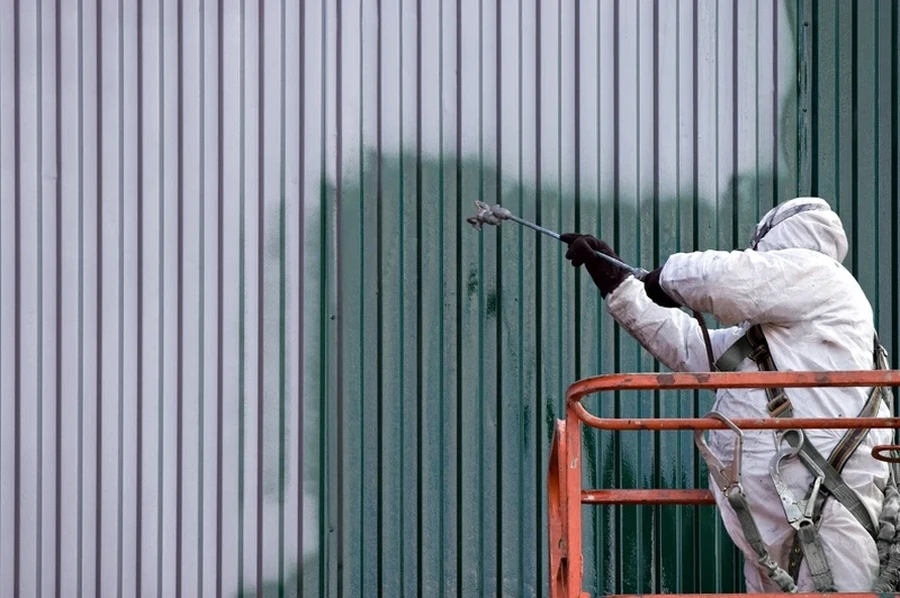
Cleaning surfaces before painting might seem like a minor step, but it’s crucial. Dust, dirt, and grease can prevent paint from adhering properly. A simple cleaning process ensures that no debris interferes with your final result. Using mild soap and water often does the trick, but for tougher stains or outdoor areas, a pressure washer may be necessary.
The Benefits of Proper Sanding
Sanding removes old paint and roughens up the surface, creating a better grip for new paint layers. It helps achieve a smooth finish free of imperfections. For those seeking professional outcomes, investing in quality sanding tools can make a significant difference. Exterior painting services often include sanding as part of their package, ensuring an optimal base for your project.
Why Priming Matters
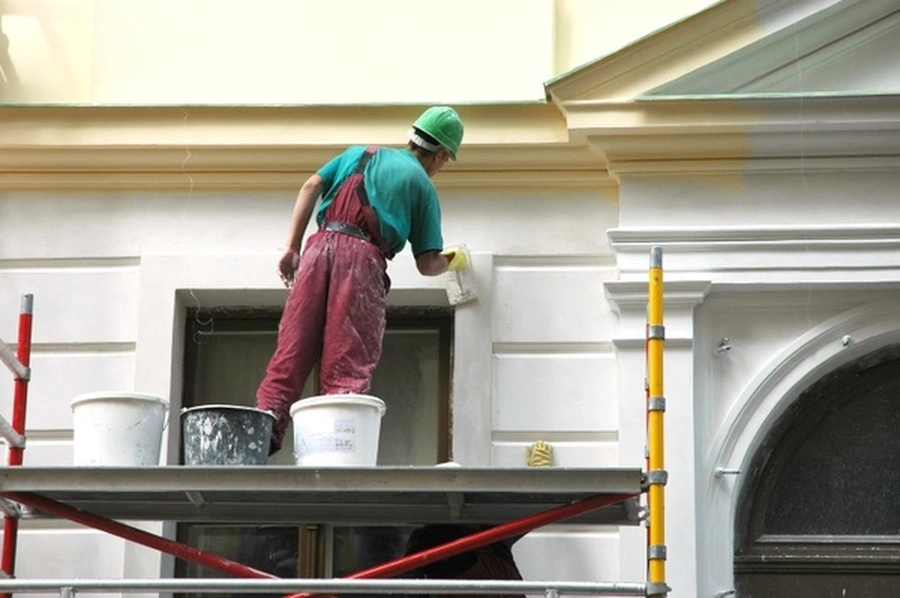
Priming serves several purposes; it provides a uniform base, covers up small imperfections, and improves paint adhesion. Skipping primer can lead to uneven coverage and early wear and tear. Choose a primer that suits both your paint type and your surface material. Many exterior painting services offer advice on selecting the right primer.
Identifying Common Preparation Mistakes
Avoiding common mistakes can make all the difference in your project’s success. Rushing through preparation or skipping steps like sanding and priming are frequent errors. These shortcuts might seem time-saving initially but often result in unsatisfactory results that require more work later on.
Steps for Effective Surface Preparation
- Clean the surface thoroughly to remove dust and grime.
- Sand down any existing paint or glossy areas for better adherence.
- Fill cracks or holes with appropriate filler materials.
- Apply a suitable primer to create a good base for your paint.
Understanding Environmental Effects
The environment plays a significant role in how well paint adheres and lasts. Humidity, temperature, and sunlight exposure are factors to consider during prep. Timing your project when conditions are optimal can prevent common issues like bubbling or cracking later on.
Final Recommendations for Successful Projects
The durability of your paint job depends heavily on thorough surface preparation. By taking these steps seriously, you’re setting yourself up for long-lasting results that withstand environmental challenges. Collaborating with professionals like ST Painting and Home Improvement can further enhance your project’s outcome. Based in Charlotte, NC, they specialize in high-quality painting solutions tailored to meet diverse needs. For expert guidance, contact us at (704) 302-0035. We are committed to helping you achieve beautiful, enduring finishes.